
Sustainable Aviation Fuel
Powered by Advanced AEM Technology
Hydrolaxy develops advanced anion exchange membrane (AEM) electrochemical platforms that convert H₂O and CO₂ into green syngas (H₂ + CO). This syngas can then be converted into sustainable aviation fuel (SAF) via the Fischer-Tropsch (F-T) process-along with other drop-in synthetic fuels.
Why AEM Changes the Economics of SAF
AEM unlocks economically viable SAF production by reducing both operating and capital barriers.
High Efficiency
Best-in-class H₂/CO production efficiency reduces operating cost.
Lower Capital Cost
Affordable catalysts and simplified design enable cost advantages.
Renewable Compatibility
Optimized for fluctuating solar and wind power conditions.
Scalable Manufacturing
From pilot installations to gigawatt-scale deployment.
Platform
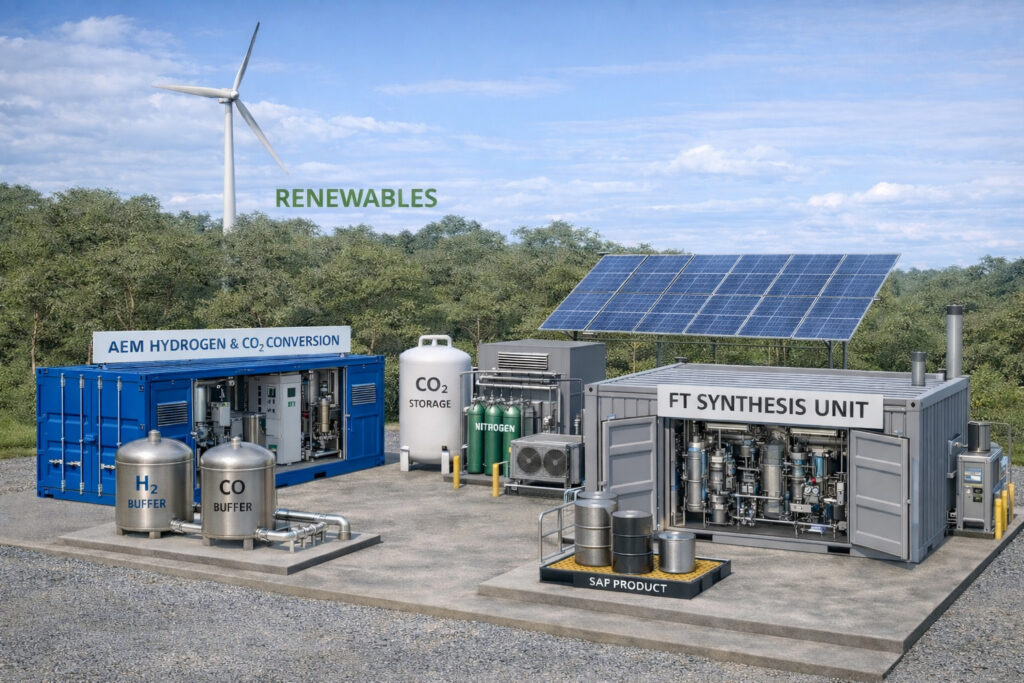
Renewable electricity powers AEM electrolysis to convert H₂O and CO₂ into green syngas (H₂ + CO),
which can be upgraded into SAF via the Fischer–Tropsch process.
AEM-driven Power-to-Fuel
Unified AEM platform
One electrochemical foundation for both H₂O and CO₂ conversion—built for scale and efficiency.
Green syngas output
Controllable H₂/CO production to match downstream fuel synthesis requirements.
SAF-ready pathway
Syngas can be converted into SAF and other drop-in synthetic hydrocarbons via the F-T process.
AEM Based Electrolysis: Green Syngas for Power-to-Fuel
Hydrolaxy advances a unified electrochemical platform: high-efficiency AEM water electrolysis for green
hydrogen and AEM-based CO₂ electrolysis for CO production.
Green Hydrogen at Scale
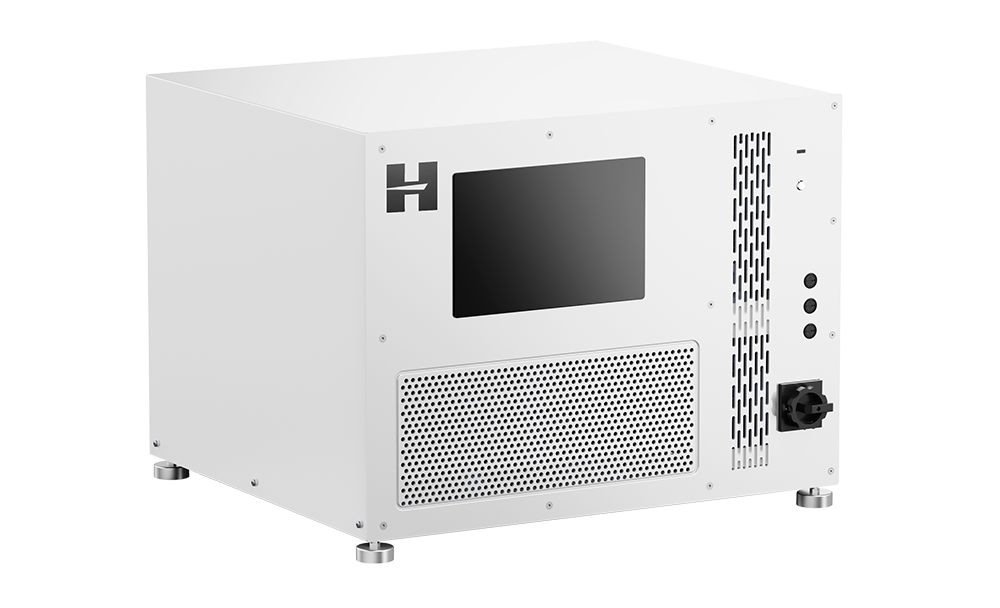
Our AEM water electrolyzer is engineered for high efficiency, 44 kWh/kg of H₂ dynamic operation, and scalable manufacturing—unlocking lower-cost green hydrogen for e-fuels.
Production of e-CO
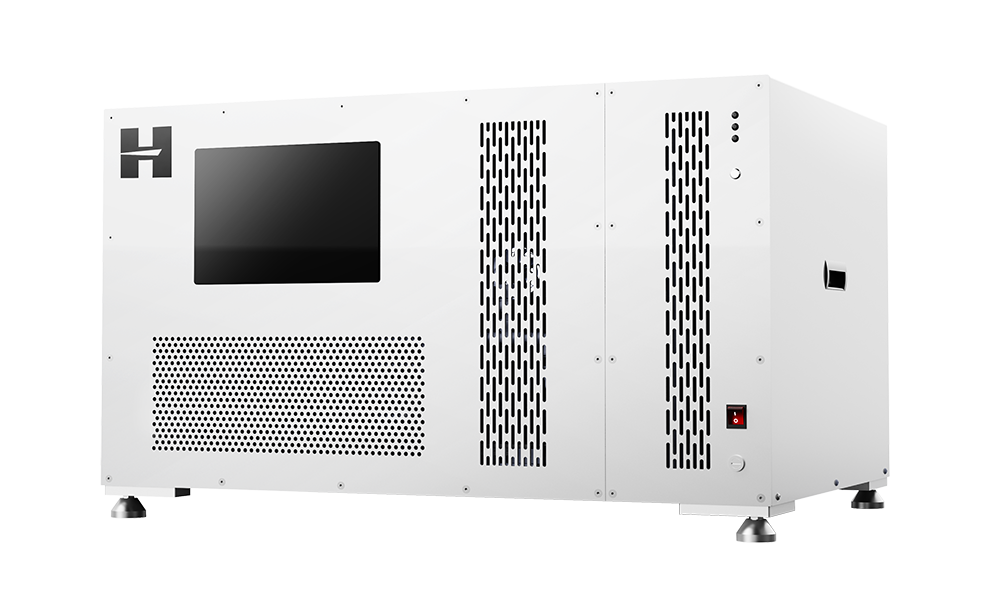
Our electrochemical CO₂ reduction system enables the production of e-CO with high efficiency, high selectivity and long stability.
Integration Advantage
A single platform approach reduces integration complexity and accelerates deployment: shared materials innovation, unified stack engineering, and end-to-end Power-to-Fuel system design.
SAF-Ready Syngas
Stable, tunable syngas streams enable downstream synthesis pathways (e.g., Fischer–Tropsch or other e-fuel routes) to produce drop-in sustainable aviation fuels.
A Global Transition Toward SAF
Policy mandates, airline commitments, and climate targets are accelerating SAF adoption worldwide.
Mandates expanding
Blending requirements are increasing across regions.
Airline net-zero
Carriers are committing to deep decarbonization.
Demand growth
SAF demand is projected to rise sharply toward 2050.
The transition to sustainable fuels is inevitable.
Applications Across Aviation
Drop-in sustainable fuels can decarbonize flight while preserving existing aviation infrastructure.
Supporting next-generation aviation ecosystems and infrastructure.

Enhancing energy security and operational sustainability.
Reducing emissions in global logistics and freight networks.
Decarbonizing passenger transportation with drop-in sustainable fuels.
Decarbonizing passenger transportation with drop-in sustainable fuels.
Enhancing energy security and operational sustainability.
Supporting next-generation aviation ecosystems and infrastructure.
Deep Technology Leadership
Hydrolaxy combines materials science innovation, electrochemical engineering, and system integration expertise to deliver next-generation green energy technologies.
· Proprietary catalysts and membrane electrode assemblies
· Advanced AEM stack engineering
· Integrated Power-to-Fuel system capability
· Global research and industrial collaborations
Enabling Flight Without Emissions
Hydrolaxy envisions a future where renewable energy directly powers global transportation. By transforming water and carbon dioxide into sustainable fuels, we enable aviation growth without environmental compromise.
Partner With Hydrolaxy
We collaborate with airlines, energy companies, investors, and technology partners to accelerate the global transition toward sustainable aviation fuel.